
The install
Garage floor coating prep and install:
five steps, and step two is the job
Garage floor coating starts with prep: Slabbr diamond grinds every slab with mechanical tooling under HEPA dust extraction, opening the concrete profile so the coating locks in. We never acid etch. Cracks are chased out, filled with a rigid repair polymer and ground flush before any product goes down. Most garages are prepped and coated in one day.
- Coating preparation: diamond ground, never acid etched
- Most garage coatings: one day install, park after 72 hours
- Lifetime residential garage coating warranty
- Written fixed price, no sales visit needed
See your price
Two taps gets you the number. Nobody asks who you are first.
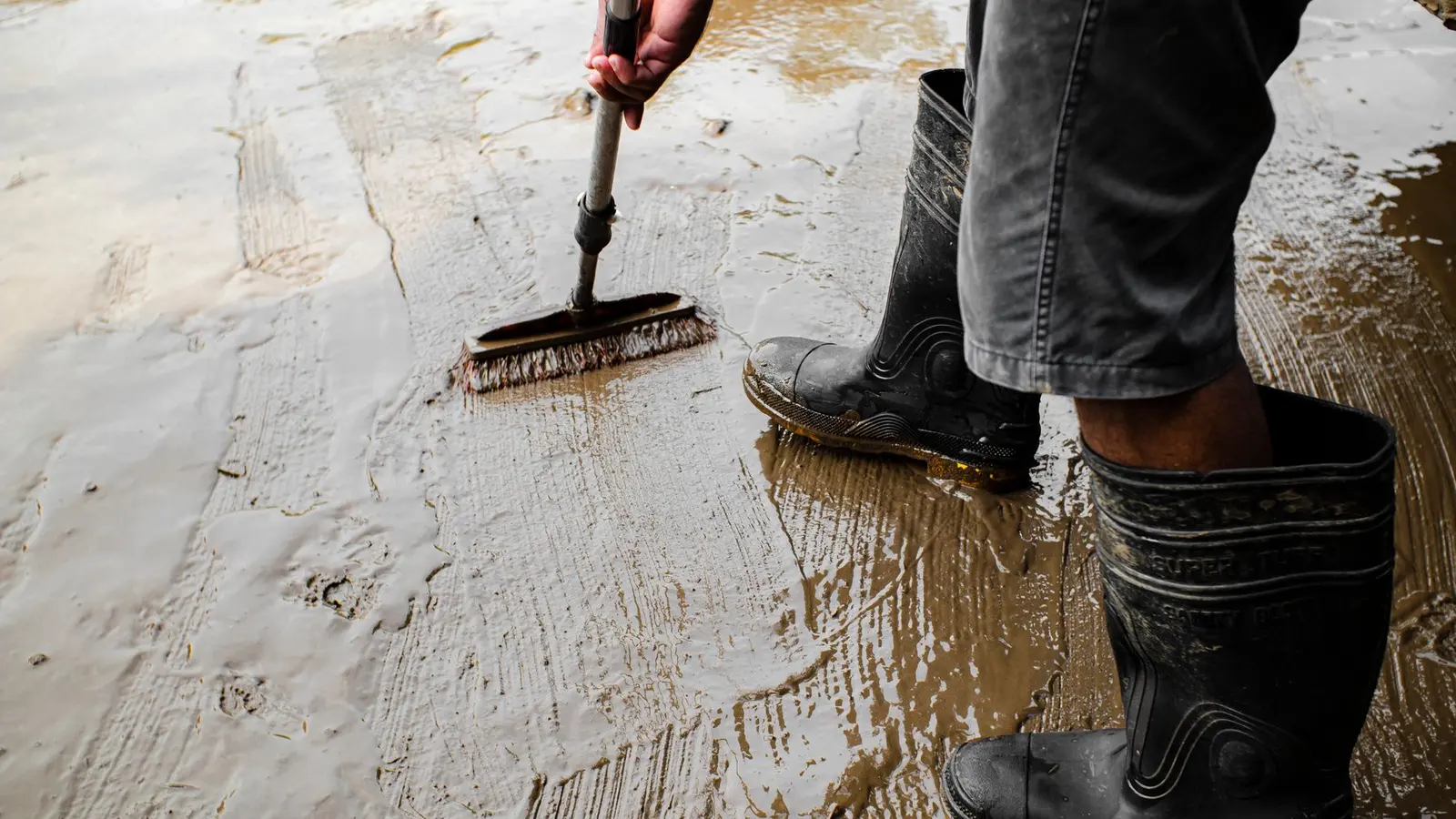
Photo: Nothing Ahead / Pexels
Start to finish
How it runs
What is physically on your concrete at each stage. Prep is not the boring part before the real work. Prep is the work, and it is the step nobody photographs.
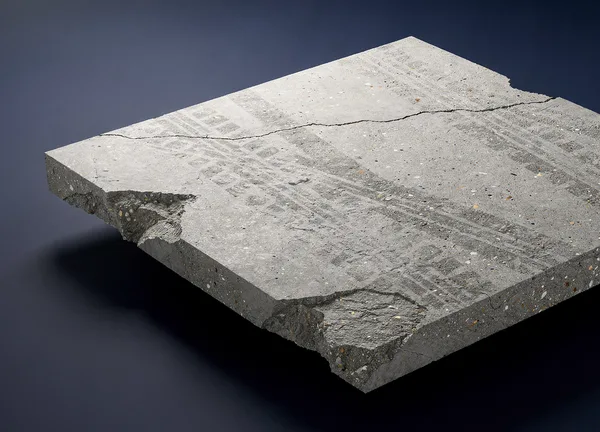
01
Free estimate
We measure the slab, test it for moisture, and look at every crack and joint before we put a number on anything. You get a written, itemised, fixed price. No commissioned salesperson, no discount that expires when we leave the driveway.
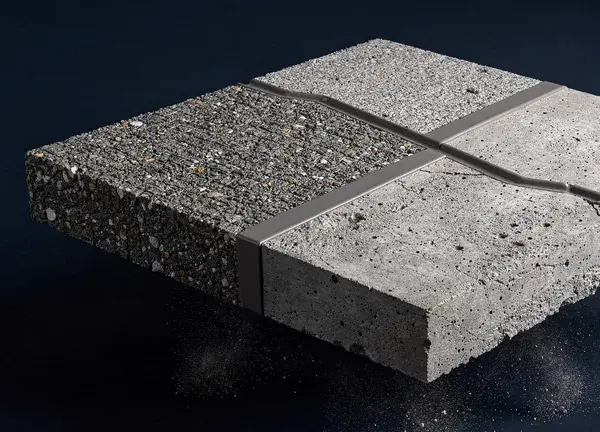
02
Diamond grind and prep
The slab is mechanically profiled with diamond tooling under HEPA extraction, then every crack is chased out, filled with a rigid repair polymer and ground flush. We never acid wash. This step is not negotiable and it is why the rest of the floor holds.
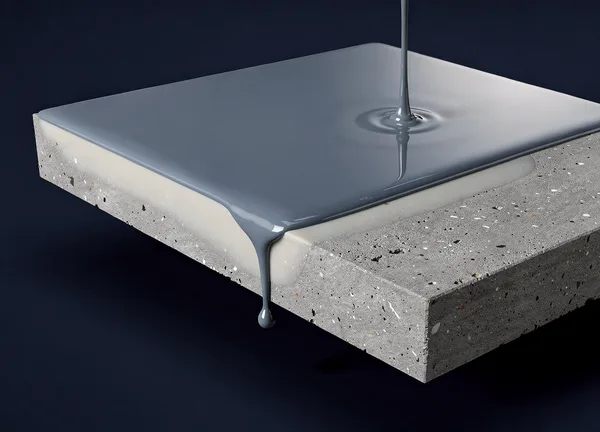
03
Base coat application
A moisture vapor barrier primer goes down first on the Prime and Ironclad builds, because vapor coming up through the slab is the single most common cause of a cheap coating letting go. Then the base coat.
04
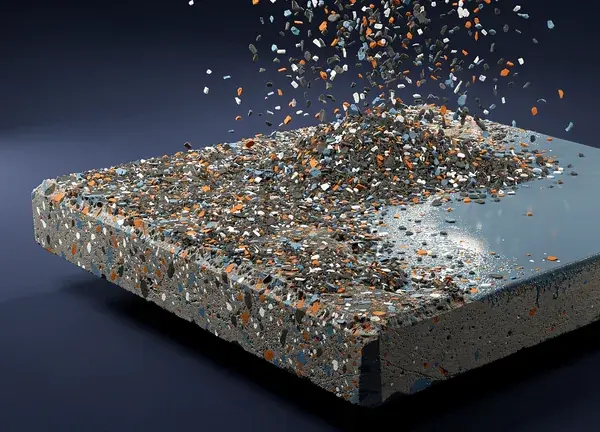
Full flake broadcast
Flake is thrown to refusal, until the floor will not take any more and no base colour shows through anywhere. A light scatter looks the same on day one and has nothing underneath it. Refusal means refusal.
05
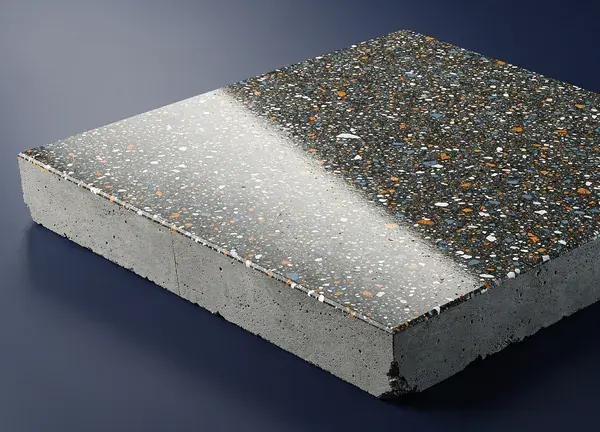
Topcoat and walk-through
Excess flake is scraped back and vacuumed, then the polyaspartic wear layer goes on, twice on the Ironclad build. We hand the floor over in person. Walk on it in 24 hours, park on it in 72.
Pricing, published
Three builds
Slabbr One
A real coating at the price most companies charge for paint
$6per sq ft installed
5 layersabout $2,650 for a 2-car garage
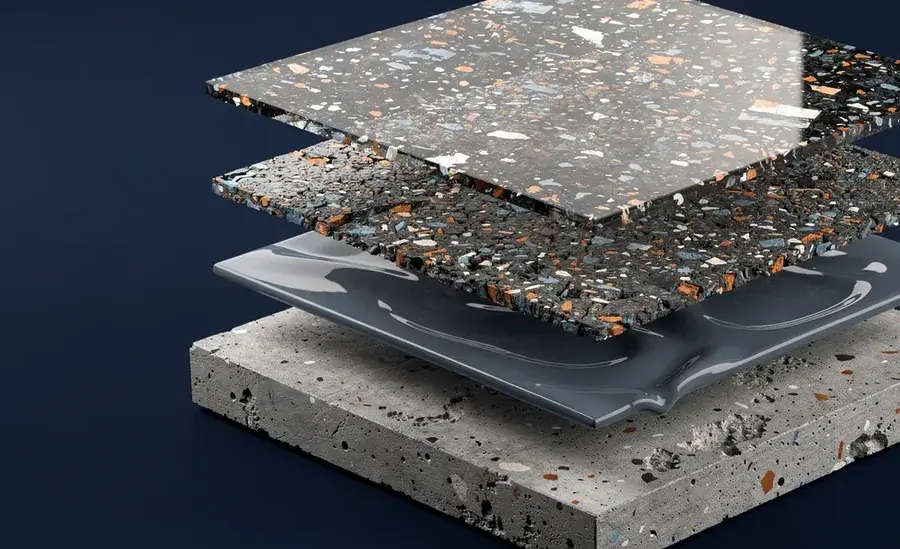
- 1
Diamond grind and profile
Mechanical profiling with diamond tooling and HEPA extraction. We do not acid etch, ever.
- 2
Crack and joint repair
Every crack chased, filled with a rigid repair polymer and ground flush before coating.
- 3
Polyaspartic base coat
A polyaspartic body coat that fills the profile and locks into the slab. UV stable from the first layer up.
- 4
Full flake broadcast
Vinyl flake thrown to refusal until no base color shows through. 700 plus blends.
- 5
Polyaspartic topcoat
UV stable, chemical resistant, and hard enough to shrug off hot tire pickup.
Right for
Rental properties, garages that stay dry and shaded, and anyone who wants the floor sealed properly without paying for armor they will not use.
Slabbr Prime
Most installedThe build we put in our own garages
$8per sq ft installed
6 layersabout $3,520 for a 2-car garage
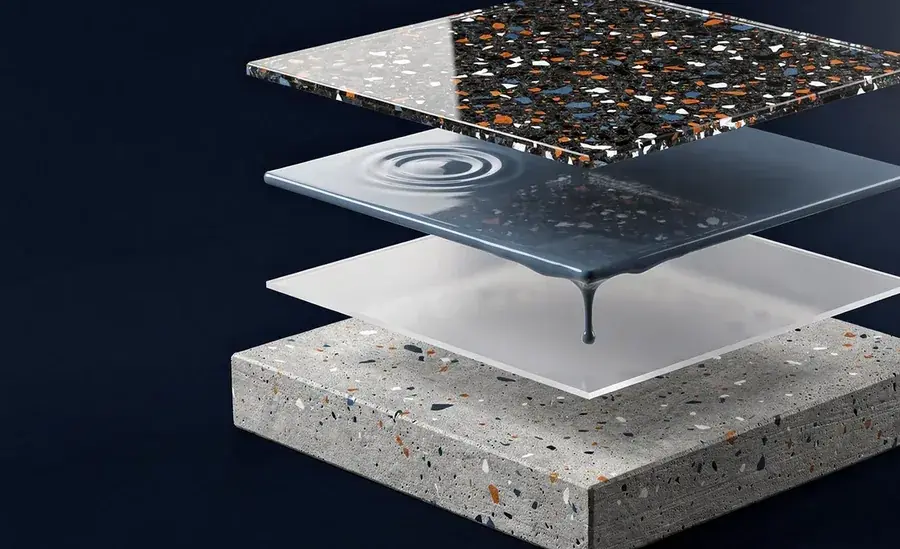
- 1
Diamond grind and profile
Mechanical profiling with diamond tooling and HEPA extraction. We do not acid etch, ever.
- 2
Crack and joint repair
Every crack chased, filled with a rigid repair polymer and ground flush before coating.
- 3
Moisture vapor barrier primer
A penetrating primer that stops vapor drive coming up through the slab. Moisture is the number one reason cheap coatings let go.
- 4
Polyaspartic base coat
High elongation, so it moves with the slab instead of fighting it, and it bonds deeper than epoxy does.
- 5
Full flake broadcast
Vinyl flake thrown to refusal until no base color shows through. 700 plus blends.
- 6
Polyaspartic topcoat
UV stable, chemical resistant, and hard enough to shrug off hot tire pickup.
Right for
Any Texas garage that sees daily driving, summer slab temperatures, or a slab poured on ground that moves. This is the default for a reason.
Slabbr Ironclad
Everything we know how to do, in one floor
$10per sq ft installed
7 layersabout $4,400 for a 2-car garage
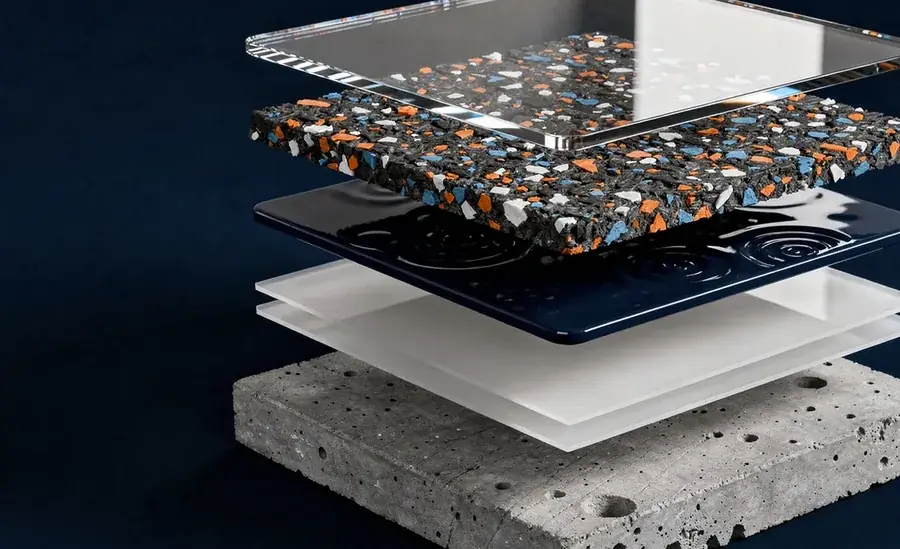
- 1
Diamond grind and profile
Mechanical profiling with diamond tooling and HEPA extraction. We do not acid etch, ever.
- 2
Crack and joint repair
Every crack chased, filled with a rigid repair polymer and ground flush before coating.
- 3
Moisture vapor barrier primer
A penetrating primer that stops vapor drive coming up through the slab.
- 4
Polyaspartic base coat
The same UV stable, high elongation chemistry as the topcoats. Polyaspartic top to bottom, not epoxy wearing a polyaspartic hat.
- 5
Full flake broadcast
Vinyl flake thrown to refusal until no base color shows through. 700 plus blends.
- 6
Polyaspartic topcoat, first pass
The working wear layer that takes the abuse.
- 7
Polyaspartic topcoat, second pass
A second full coat for depth of gloss and a wear layer thick enough to outlive the mortgage.
Right for
Shops, lifts, wrenching bays, four car garages, and homeowners who intend to never think about this floor again.
Why we never acid etch
Acid etching is a chemical wash that roughens the top of the slab unevenly and leaves residue behind. It is faster and cheaper than grinding, which is exactly why it is common. It does not open the profile deeply or consistently enough for a coating to bond, and it is the single most common reason a floor lets go in year two or three.
Diamond grinding takes longer and costs more in labor and tooling. It is also the difference between a floor that lasts twenty years and one you pay for twice.
What full broadcast means
Flake is thrown until the floor refuses to take any more and no base color shows through anywhere. A lot of crews throw a light scatter because flake costs money and the floor looks fine on day one either way.
The difference shows up as thickness. A full broadcast builds a wear layer you can scrape and re-coat years later. A light scatter is a decorative dusting with nothing underneath it.
Straight answers
Questions about the install
How do you prepare a slab before coating it?
Mechanical diamond grinding under HEPA dust extraction, on every floor, with no exceptions. Grinding opens the concrete profile so the coating locks into the slab rather than sitting on top of it.
Why not acid etch?
Acid etching does not open the profile deeply or evenly enough for a coating to bond. It is faster and cheaper for the installer and it is the single most common reason a garage floor coating peels. We will not do it at any price.
What happens to cracks?
Every crack is chased out, filled with a rigid repair polymer and ground flush before any coating goes down. A dormant crack treated that way stays gone. A crack still moving because the slab is moving will telegraph through eventually, and we say so before we start.
How long does the install take?
One day on site for a residential garage. Grinding, repair, base coat, flake broadcast and topcoat all happen in the same visit, which is what polyaspartic makes possible and epoxy does not.
When can I walk on it and park on it?
Walk on it after 24 hours. Park on it after 72. Those are real numbers for a polyaspartic topcoat, not optimistic ones. Putting a vehicle on a floor early is how a new coating gets damaged.
Do I need to empty the garage?
Yes, completely, before we arrive. We are grinding concrete and running a timed cure window, so anything left inside ends up coated or in the way. Contents go back the day after the install.
What is the moisture vapor barrier for?
Vapor pushing up through a slab is the second most common cause of coating failure after bad prep. The barrier primer on the Prime and Ironclad builds goes down first and stops it. Moisture is measured to ASTM F1869 where a slab looks suspect.
Does a new slab need to cure first?
Yes. Fresh concrete needs a full 28 day cure before anything is coated. Coating early traps moisture under the system and guarantees a failure we would then have to come back and fix.
Does Texas heat affect the install?
It affects the working window, not the outcome. Polyaspartic cures faster as slab temperature rises, so summer installs are scheduled early and mixed in smaller batches. The finished floor is the same.
Do you install over an existing coating?
No. The old system is ground off first, at $1.50 per square foot added to the quote. Coating over a failing floor inherits its failure.
Who does the work?
Slabbr crews out of the Celina and Burleson shops. The work is not subcontracted to a rotating crew, which is why the warranty is worth what it says.
What happens on the day itself?
Crew arrives, garage is already empty, slab is ground and vacuumed, cracks are repaired, primer and base go down, flake is broadcast to refusal, then the topcoat. You get the floor back to walk on the next day.
Every layer that ends up on the slab, named and priced: the three builds. What we guarantee once it is down: the warranty.
See your number in about a minute
Pick what we are coating, pick the size, get a price. No home visit needed to see it and no salesperson attached to it.